The Trunk Pop-Up: How to Sell Vinyl Goods Anywhere Without a Storefront
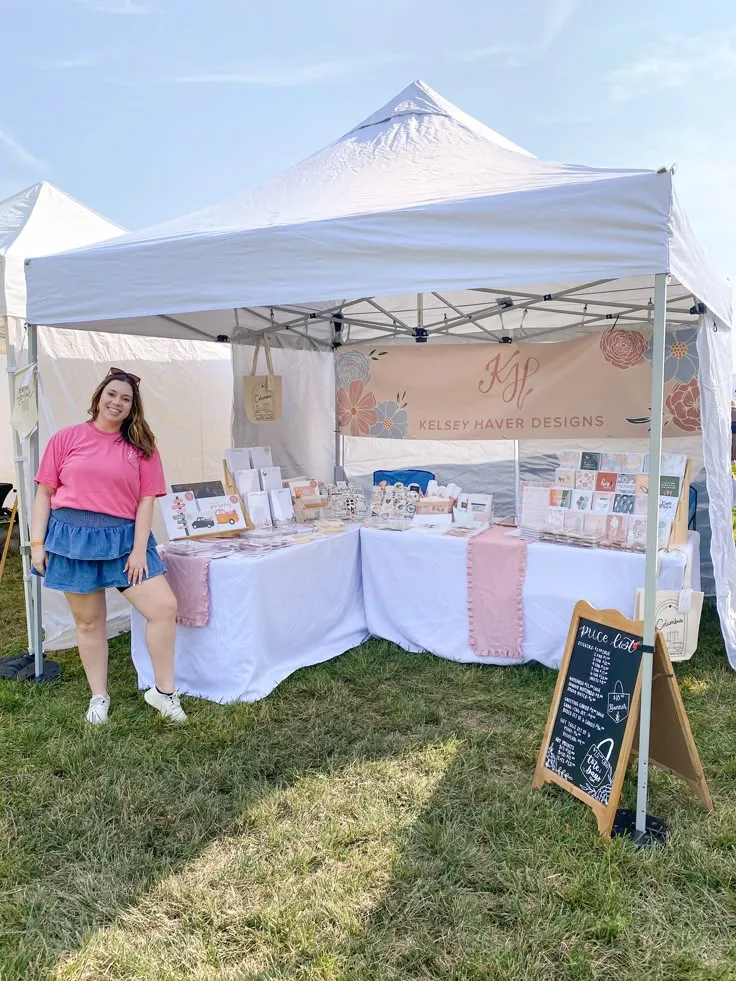
Photo: mobile craft business car trunk pop up market vendor setup, via i.pinimg.com
Somewhere between the farmers market boom and the rise of the personalization-everything trend, a new kind of craft seller showed up: the one working out of a hatchback. No brick-and-mortar lease, no expensive 10x10 canopy setup — just a car trunk, a cutting machine, and the ability to make a custom shirt while the customer waits in line for a breakfast burrito.
If you've been toying with the idea of selling your vinyl work but the overhead of a full craft fair setup makes you sweat, this one's for you. Here's how to build a mobile vinyl business that fits in your trunk and actually turns a profit.
Why Mobile Beats a Booth (Sometimes)
Traditional craft fairs have their place, but they come with real costs: booth fees that run $50 to $300, canopies, tables, grid walls, and a full day of your life whether you sell ten items or none. A mobile setup flips that equation. You show up where people already are — tailgates, school fundraisers, brewery patios, youth sports tournaments — and you bring less stuff.
The real magic is on-the-spot customization. A customer who watches you press a name onto a shirt in ninety seconds pays differently than one browsing a folding table. Live personalization is the product. The vinyl is just the medium.
The Trunk-Friendly Machine Question
You don't need your full craft room with you. What you need is one machine that cuts reliably and doesn't demand a computer tower.
Most mobile sellers I know run one of two setups:
- A compact cutting machine (Cricut's smaller models or a portable Silhouette) paired with a laptop or tablet. This handles pre-designed decal work and lets you cut a name or phrase on demand.
- A pre-cut inventory model, where you do all your cutting at home and bring a labeled binder or tackle box of ready-to-press transfers. The customer picks a design, you press it. This is honestly the faster path for high-traffic events.
If you're just starting, go with the pre-cut inventory model. Designing live at a tailgate sounds fun until a Wi-Fi hiccup leaves you staring at a spinning loading wheel while a customer wanders off.
Power: The Part Nobody Plans For
Your heat press is a power hog, and a car battery won't cut it. You've got three realistic options:
- A portable power station. A mid-size unit (think 500–700Wh) can run a heat press for a solid stretch of an event. Check your press's wattage before buying — a standard clamshell press pulls 800–1400 watts, so do the math on runtime.
- A generator. Loud and increasingly unwelcome at family events. Skip it if you can.
- An easy press and an outlet. Some venues — breweries, market halls, farmers markets with shared power — will let you plug in for free or a small fee. Always ask ahead. Always.
For apparel work, a handheld heat press (the Cricut EasyPress style) is your friend here. It's lighter, uses less power than a clamshell, and stores flat.
Build a Menu, Not a Warehouse
Mobile selling rewards focus. Pick three to five product types and know them cold:
- Custom tees and sweatshirts (your bread and butter)
- Hat decals and press-on patches
- Car decals for the parking lot crowd
- Tumblers and water bottles
Then build a simple order board: base item price plus customization fee. Keep it visible. "Tees from $15, names and numbers $5" does more selling than a ten-minute explanation.
Bring sizes in limited depth — three or four of each popular size in two or three blank colors — and offer a follow-up order card for anything you sell out of. That card is how a one-day event becomes a repeat customer.
The Legal Basics (Yes, You Need This Part)
Selling handmade goods in the US is refreshingly straightforward, but "straightforward" doesn't mean "optional."
- Business registration: Most states let you register an LLC or a sole proprietorship online for under $100. Some mobile sellers start as sole props and formalize later — that's fine, but get a sales tax permit either way.
- Sales tax: If you're selling at events in your state, you generally need to collect and remit sales tax. Your state's department of revenue website will have a seller's permit application, usually free or cheap.
- Event permits and insurance: Farmers markets typically require a vendor application and proof of liability insurance. A basic craft business policy runs a few hundred dollars a year and many markets won't have you without it. Tailgating and pop-up spots on public property are grayer territory — check your city's vending ordinances before you set up, because fines for unpermitted vending are real.
- Trademarks: This one trips up new sellers constantly. Do not print NFL logos, Disney characters, or band names. Just don't. The licensing risk isn't worth it, and craft-fair organizers are increasingly cracking down.
Your First Event: A Realistic Checklist
Before you roll out, run through this:
- Machine, laptop, cords, and a backup cutting mat
- Heat press (or easy press) plus your power solution
- Inventory bin of pre-cut transfers, organized by design
- Blanks in your core sizes and colors
- Folding table, tablecloth, and a small sign with your prices
- Square reader or Venmo/PayPal QR code — cash is dying, don't fight it
- Change box with small bills, just in case
- Business cards or a QR code linking to your order form
- Sunscreen and a folding chair, because you're a professional now
The Bottom Line
A mobile vinyl business won't replace a full craft-fair operation overnight, but it's the lowest-risk way to test your products, learn what sells, and build a customer list without sinking money into a setup you might outgrow. Start with one event, one product line, and one power solution. Refine from there.
Your trunk is already bigger than most starter studios. Put it to work.