Stop Underselling Yourself: A Real-World Guide to Pricing Vinyl Decals That Actually Make Money
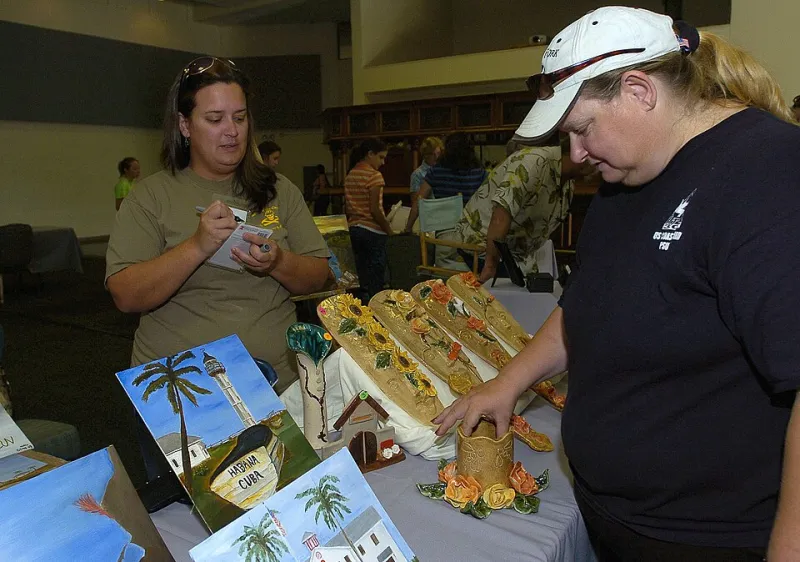
Photo: Sgt. Emily Greene, Public domain, via Wikimedia Commons
We've all been there. Someone at a craft fair in Tulsa picks up one of your car decals, squints at it, and asks, "How much?" You panic, blurt out "$3," and immediately realize you just spent 45 minutes designing, cutting, weeding, and packaging that decal for less than the cost of a drive-thru latte.
Here's the truth nobody tells you when you start your Etsy shop: pricing vinyl decals is less about what feels fair to the customer and more about what actually keeps your craft business alive. Let's do the math together — and yes, we're including the stuff beginners always forget.
The Hidden Costs Hiding in Your Craft Room
Before you set a single price, you need to know what a decal actually costs you to make. Most crafters only count the vinyl. That's like a bakery only counting flour.
Your material costs include:
- The vinyl itself. A 12x12 sheet of permanent adhesive vinyl runs roughly $1–$2.50 depending on brand and finish. If your decal uses a quarter of the sheet, that's 25–60 cents right there.
- Transfer tape. Easy to forget, and it adds another 10–30 cents per decal.
- Blade wear. Cricut blades and replacement blades dull over time, especially if you're cutting glitter or specialty vinyl. A reasonable estimate: add 5–10 cents per project to cover blade replacement.
- Mat wear. Standard grip mats lose their stick after 25–50 cuts. Divide the mat cost by its usable life and add that per project.
- Packaging. Backing card, sleeve or mailer, tape, and a thank-you sticker. Typically 25–50 cents.
- Shipping supplies. If you offer "free shipping," it's not free — you're paying for it. Build it into the price.
Individually these look tiny. Add them up, and the "just vinyl" decal you thought cost 40 cents actually costs closer to $1.25–$1.75 in hard expenses. Before you've paid yourself a dime.
The Pricing Formula That Actually Works
Once you know your true costs, use this formula — it's the one that comes up again and again when you talk to successful US-based decal sellers:
Price = (Materials + Labor) x Overhead Multiplier + Profit Margin
Let's break that down with a real example — a personalized tumbler decal:
- Materials: $1.50 (vinyl, transfer tape, blade/mat wear, packaging)
- Labor: 20 minutes of design, cutting, weeding, and packing at $15/hour = $5.00
- Subtotal: $6.50
- Overhead multiplier (1.5x): covers Etsy fees (about 6.5% plus listing and transaction fees), software, utilities, and the odds and ends — bringing you to $9.75
- Profit margin (20–30%): lands you at $12–$13 retail
Does that feel high compared to the $4 decals you see on Etsy? Good. Because that $4 seller is subsidizing every order out of their own pocket — or burning out by month three. You can see the same math play out with full tumblers, which routinely sell for $25–$45 when priced correctly, and car decals, which deserve a $6–$10 price tag far more often than the $2.50 listings suggest.
Grab the Worksheet
We put this whole formula into a printable pricing worksheet you can keep next to your cutting machine. It walks you through listing every material, timing your labor with your phone's stopwatch (humbling, but eye-opening), and calculating your overhead multiplier. Print one for each product type — decals, tumblers, shirts — because your numbers will differ for each. [Download it here and fill it out tonight.]
When to Raise Your Prices (Yes, Really)
Raising prices feels scary, but here's when it's not just justified — it's necessary:
- You're selling out too fast. If your craft fair table is cleared by noon or your listings sell out weekly, the market is telling you you're priced too low. Raise by 15–25% and see what happens. Spoiler: usually nothing bad.
- **Your reviews mention quality." "Way better than the cheap ones I ordered" is a signal you've moved into premium territory. Price like it.
- You've added options. Layered vinyl, custom colors, holographic finishes — complexity deserves compensation.
- Supply costs climb. Vinyl and shipping prices fluctuate. Revisit your material math every six months, minimum.
One seller we spoke with, who built a six-figure Etsy shop out of a spare bedroom in Ohio, put it plainly: "Every time I raised prices, I assumed I'd lose sales. Instead, I got better customers — people who valued the work and didn't message me at midnight asking for custom changes on a $4 order."
When Discounts Make Sense (and When They Sabotage You)
Discounting isn't evil — it's a tool. Use it deliberately:
- Bundle deals. "Buy 3 decals, get 1 free" moves volume without cheapening a single item's price.
- Seasonal sales. A Black Friday or small-business Saturday promo creates urgency and taps into real buying moments.
- Clearing old inventory. Last season's colors need to go. Discount to clear, don't discount your core lineup.
What to avoid: permanent coupon codes, haggling at craft fairs, and discounting out of guilt. If a customer says your price is too high, that's information — about your target customer, not your worth. The person who balks at a fairly priced $8 decal was never your customer anyway.
Your Price Is Your Reputation
Here's the mindset shift that changes everything: your prices teach customers what your work is worth. Fair pricing means you can afford quality vinyl, replace your blades on schedule, answer customer messages without resentment, and keep crafting because you want to, not because you're drowning in barely-profitable orders.
So the next time someone at a booth asks "How much?" — say the real number. Then stand behind it. Your cutting machine, your bank account, and your future self will all thank you.
Now go update those Etsy listings. You've got math to do.