What Sells at Craft Fairs: 10 Vinyl Projects Worth Your Weekend
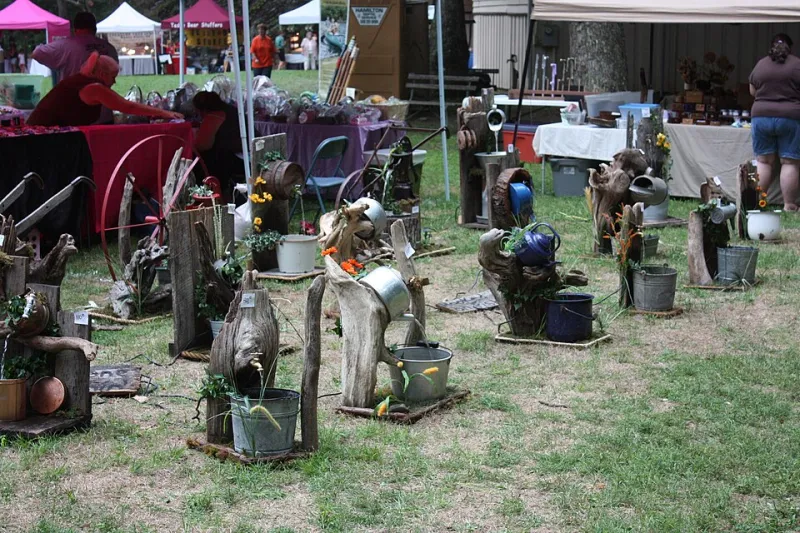
Photo: Virginia State Parks staff, CC BY 2.0, via Wikimedia Commons
Walk through any craft fair in America — from a church parking lot in Ohio to a big holiday market in Texas — and you'll spot the same pattern. Some vendor booths have people three-deep at the table. Others have vendors quietly reorganizing inventory for the fifth time.
The difference usually isn't talent. It's product selection. After talking with sellers at markets big and small, a clear picture emerges of which vinyl projects actually earn their keep. Here are ten that consistently do.
1. Personalized Tumblers
Difficulty: Intermediate | Material cost: $6–10 | Suggested price: $25–35
The tumbler craze hasn't slowed down, and honestly, it may never. Permanent vinyl names and monograms on 20 oz stainless tumblers remain the workhorse of the craft fair circuit. The trick is offering customization on the spot — bring a laptop and cutter, or pre-make a variety of popular names and designs.
2. Car Decals
Difficulty: Beginner | Material cost: Under $1 | Suggested price: $5–8
Best margin on this list, hands down. A single 12x12 sheet of permanent vinyl can yield a dozen small decals — think paw prints, state outlines, stick-family figures, and funny mom-life phrases. Display them on car windows or clear acrylic at your booth so shoppers can see how they'll look.
3. Seasonal Door Signs
Difficulty: Intermediate | Material cost: $8–12 | Suggested price: $30–45
Round wooden blanks with layered adhesive vinyl — "Hello Fall," buffalo plaid snowflakes, spring florals — sell hard from September through December. Start production in August. Seriously. Holiday shoppers start early, and you'll sell out of Christmas designs by mid-November.
4. Keychains
Difficulty: Beginner | Material cost: $2–3 | Suggested price: $8–12
Acrylic blanks with vinyl lettering are the perfect impulse buy. Price them right at $10 and watch them disappear. They're also ideal for using up vinyl scraps from bigger projects.
5. Shirt Designs (Heat Transfer Vinyl)
Difficulty: Intermediate | Material cost: $4–6 | Suggested price: $20–28
HTV technically lives on a different material, but every vinyl crafter ends up here eventually. Trendy phrase tees — teacher shirts, bachelorette party designs, funny gym sayings — are reliable sellers if you nail current trends.
6. Wine Glasses and Beer Mugs
Difficulty: Beginner | Material cost: $3–5 | Suggested price: $12–18
"Mom's Sippy Cup" never stops being funny to somebody. Pair glasses with a small cellophane bag and ribbon for gift-ready presentation, which justifies the higher price point.
7. Labeled Pantry and Organization Decals
Difficulty: Beginner | Material cost: Under $2 | Suggested price: $4–10
The home-organization aesthetic is huge right now. Sell sets — flour, sugar, coffee, pasta — rather than singles. Bundles feel like a deal and move faster.
8. Baby Onesies and Nursery Decor
Difficulty: Beginner | Material cost: $4–7 | Suggested price: $15–22
New grandparents are your target market, and they shop with zero price sensitivity. Name-announced onesies, milestone designs, and nursery wall decals all perform well.
9. Water Bottles and Sports Gear Tags
Difficulty: Beginner | Material cost: $3–5 | Suggested price: $10–15
Team-themed items — school colors, mascot names, player numbers — sell especially well at fall markets. Check local school spirit-wear rules before using any trademarked logos, though. Stick to colors and generic mascots to stay safe.
10. Ornaments
Difficulty: Beginner | Material cost: $2–4 | Suggested price: $10–15
Clear acrylic or wood blanks with a name and year are the single best-selling item at holiday markets, period. Make them in batches of 50+. You will not regret it.
Where Should a Beginner Start?
If you're new to selling, lead with car decals and keychains. Both are fast to produce, forgiving of small mistakes, and cheap enough that a slow market won't hurt. Build confidence and inventory before investing in tumblers and door signs, which demand more material cost and production time.
One last tip: track what sells, not just what you enjoy making. The projects that fund your hobby are the ones worth repeating — and pricing is a whole conversation of its own, which we've covered before. Until then, start cutting, and we'll see you at the market.