Laundry Day Doesn't Have to Be the Enemy: HTV Care Rules That Actually Hold Up
Application is the easy part
You pressed it, peeled the carrier, and did a little victory lap around the craft room. Now comes the part that decides whether that shirt becomes a favorite or a folded-up regret: laundry day.
Heat transfer vinyl gets a bad reputation for peeling, cracking, and curling at the edges. Sometimes that is an application problem. Just as often, it is a care problem. HTV is a thin film bonded to fabric with heat-activated adhesive. Hot water, high dryer heat, fabric softener, and direct ironing all put stress on that bond. The good news? A simple care routine can add months—sometimes years—to a shirt’s life.
The four habits that ruin HTV (and what to do instead)
1. Washing in hot water
Hot water relaxes fibers and softens the adhesive bond. Over time, edges lift. Use cold or cool water on a gentle cycle. If the garment is truly grimy, pretreat the stain—don’t crank the temperature.
2. Turning the shirt right-side out
The wash tub is a spin cycle of zippers, buttons, and agitation. Turn HTV garments inside out before washing. Better yet, wash them with like items and skip overloaded loads. A mesh laundry bag is cheap insurance for small decals and kids’ shirts.
3. Using fabric softener or dryer sheets
Softener and dryer sheets leave a coating on fabric and film. That coating can interfere with adhesion and make prints look dull. Skip both on HTV loads. If you want static control, use wool dryer balls—but keep the dryer cool.
4. Ironing directly on the design
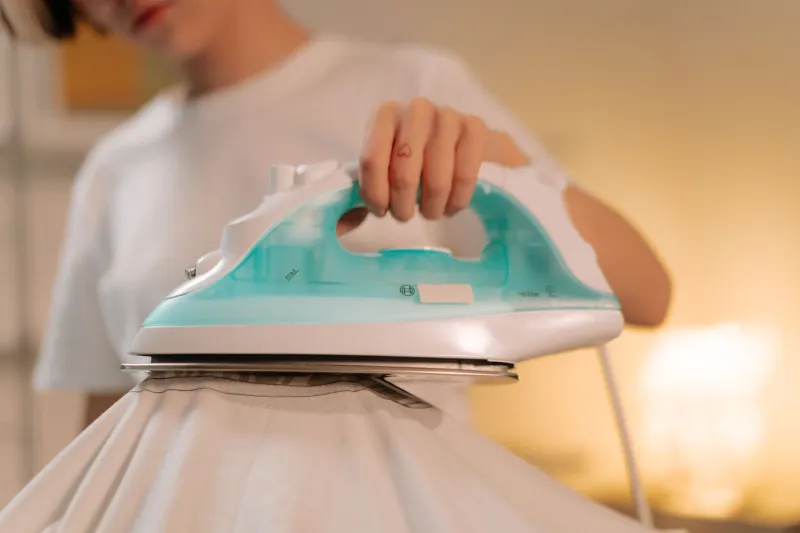
This is the fastest way to melt a print. If a shirt needs a touch-up, turn it inside out and iron the back of the fabric with low heat and no steam. Never place the iron directly on the vinyl. A pressing cloth is helpful, but the inside-out method is safer.
What about drying?
Air-drying is the gentlest option. Hang the shirt or lay it flat. If you use a dryer, choose low heat and remove the shirt while it is still slightly damp. High heat is the enemy. It can shrink the fabric, which stresses the vinyl, and it can soften the adhesive.
Brand-by-brand reality check
Most major HTV brands publish care instructions, and they are not identical. Siser, Cricut, StarCraft, and HTVRONT all offer care charts, and specialty films—metallic, glitter, puff—often have stricter limits. The safe routine above works for most standard HTV, but always defer to the manufacturer’s chart for the specific product you used. If you are selling finished goods, keep a screenshot or PDF of that chart with your order records. It protects you if a customer asks why their glitter shirt cannot go in the dryer on high.
The care-label system I hand to customers
A care card does not have to be fancy. A 2-by-3.5-inch card tucked in the package is enough. Use simple icons and plain language:
- Turn inside out before washing
- Cold wash, gentle cycle
- No fabric softener
- Tumble dry low or hang dry
- Do not iron directly on the design
- Wait 24 hours before first wash
On the back, add a short note: “Your vinyl design is heat-applied. Follow these steps to keep it looking new. Questions? Contact [shop name].” If you sell at markets, print the same card as a sticker and put it on the back of your business card. Customers appreciate it, and it cuts down on “my shirt peeled” messages.
A quick pre-wash checklist
Before the first wash, wait at least 24 hours after pressing. Check edges and corners; if anything is lifting, re-press before washing. Zip zippers and button buttons. Turn the garment inside out. Use a gentle detergent without bleach. Keep the load loose. Then wash cold and dry low.
The bottom line
HTV is durable when it is treated like a printed graphic, not a piece of armor. Cold water, low heat, no softener, and a little patience on laundry day will keep your projects looking sharp. Put the care rules on a card, share them with customers, and stop blaming the vinyl for a hot dryer.