The $5 Thrift Flip: How HTV Turns Forgotten Closet Castoffs Into Boutique-Worthy Pieces
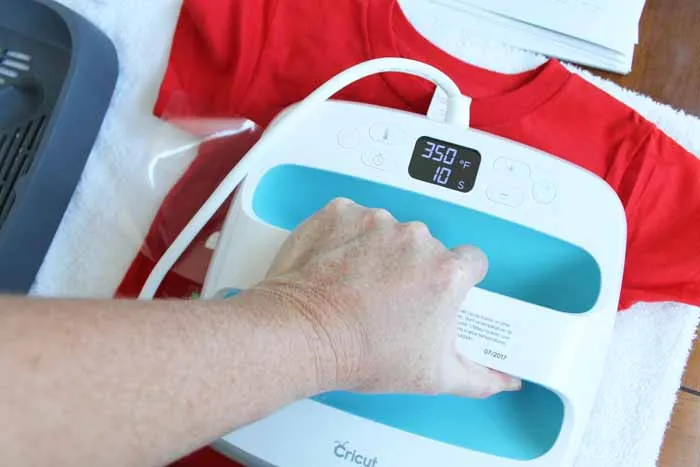
Photo: heat transfer vinyl design being pressed onto thrifted t-shirt with Cricut easypress, via www.thecountrychiccottage.net
There's a particular kind of thrill that comes from walking out of a thrift store with a bag of clothes that cost less than lunch — and knowing every single piece is about to become something way better. If you've got a Cricut or Silhouette collecting dust next to your HTV stash, you're sitting on a goldmine. Thrift flipping with heat transfer vinyl is cheap, forgiving, and honestly kind of addictive.
Let's break down how to do it right, from the store aisle to the heat press.
Thrift Store Scouting: What to Grab (and What to Leave Behind)
Not every $4.99 sweater deserves a second life. When you're hunting for vinyl-ready blanks, here's your checklist:
- Plain is perfect. Solid-color tees, hoodies, and sweatshirts in good condition are ideal canvases. Neutral tones like cream, gray, and navy give layered vinyl designs room to pop.
- Slightly flawed can work. A small stain near the hem? A faded graphic? If your new design will cover or sit near the flaw, you just scored a discount.
- Denim is a monogram magnet. Jean jackets and denim shirts take HTV beautifully and look genuinely high-end with a simple chest or back monogram.
- Check the tags. You want to know the fabric content before you buy, not after you've pressed it.
Skip anything pilled, stretched out, or with stains where your design won't cover. No amount of vinyl fixes a pit stain.
Fabrics That Play Nice with HTV (and the Ones That Don't)
This is where thrift flips go wrong for a lot of beginners. Heat transfer vinyl needs a fabric that can handle heat and has a surface it can bond to.
Great candidates:
- Cotton and cotton blends (the workhorses)
- Polyester performance tees (use a lower temp and always test)
- Denim and canvas
- Fleece and French terry
Handle with caution:
- Nylon and water-repellent shells — many won't tolerate pressing temps
- Heavily textured knits like chunky cable sweaters — vinyl won't adhere evenly
- Leather and suede — risky, requires special low-temp vinyl and a lot of patience
- Anything with a high spandex content unless you're using stretch HTV
When in doubt, check the care tag and press a small test area with a scrap of vinyl first. Thirty seconds of testing beats a melted thrift store find every time.
Project Walkthrough: The Faded Graphic Tee Flip
Let's do a real one. I found a men's XL plain black tee for $3.50 — slightly faded, zero personality. Here's the transformation:
1. Prewash and prep. Wash the shirt without fabric softener, dry it, and press it flat. Any wrinkles or moisture will mess with adhesion.
2. Design with layers in mind. I built a retro sunset graphic in three colors: mustard, coral, and cream. The trick to keeping layered designs from getting bulky is the kiss-cut approach — cut away the overlapping portions of lower layers so you're not stacking three full sheets of vinyl on one spot. Most design software lets you slice or contour-cut the overlap easily.
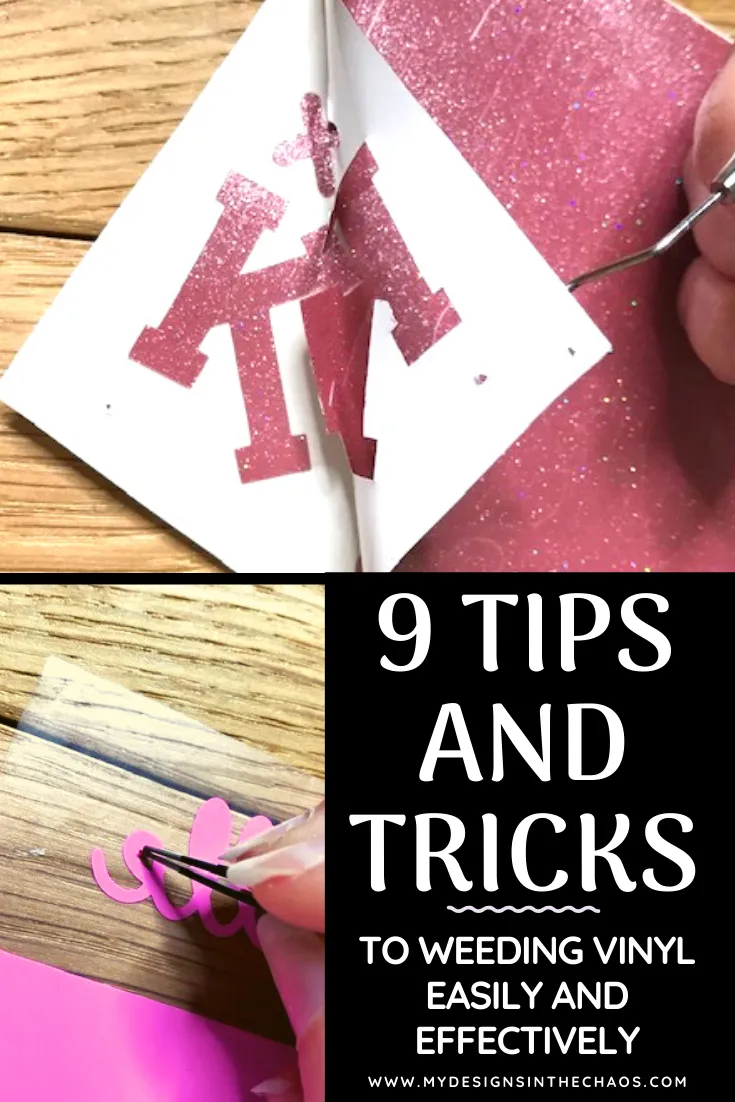
3. Cut and weed. Standard HTV, mirrored, shiny side down on the mat. Weeding a three-color design goes faster if you keep each color on its own backing sheet until press time.
4. Press in the right order. Bottom layer first. For standard HTV, that's around 315°F for 10–15 seconds with medium pressure. Peel the carrier sheet (cool or warm peel depending on your vinyl), position the next layer, and press again. The final layer gets the full press time plus a 5-second post-press from the back for good measure.
5. Let it cure. Wait 24 hours before washing, inside out, cold water. Tell your finished piece it's beautiful. (Optional, but recommended.)
Total investment: $3.50 for the shirt, maybe $1.50 in vinyl. Comparable graphic tees at boutiques run $30–45.
Pro Tips for That "Store-Bought" Finish
The difference between homemade-looking and handmade-looking usually comes down to a few small details:
- Limit your palette. Two or three vinyl colors look intentional; five look like a school spirit shirt gone rogue.
- Mind your placement. Designs sit best 2–3 inches below the collar. Measure with a ruler — eyeballing is how designs end up crooked.
- Mix finishes, not just colors. A matte design with one metallic accent element instantly reads more expensive.
- Go big on denim. A large back-panel design on a jean jacket is the single highest-impact thrift flip you can do with a sheet of HTV.
Your Weekend Project Awaits
Grab a tote bag, hit your local thrift store, and give a forgotten piece of clothing the glow-up it deserves. Whether you're building a one-of-a-kind wardrobe or stocking up inventory for your next craft fair, thrift flipping with HTV is one of the most budget-friendly ways to flex your cutting machine. And honestly? The hunt is half the fun.